
7 Signs It’s Time to Redesign Your Website
A website redesign is not just about making a site look more modern. It is about fixing the parts of your website that are no longer helping the business. If your site feels outdated, difficult to use, weak on mobile or poor at turning visitors into enquiries, it may be time to rethink it properly.
The best redesign is not just newer. It is clearer, easier to use and more effective at building trust and generating enquiries.
A website can still be live and still be holding your business back.
Many businesses keep the same website for years because it still technically works. The problem is that “working” and “working well” are two different things. If the site looks dated, loads slowly, feels awkward on mobile or no longer reflects the quality of your business, it can quietly reduce trust and cost you enquiries.
A redesign should improve how the business is perceived online.
When people land on your website, they make quick judgments. Does this look current? Is it easy to understand? Can I trust this company? Is it easy to contact them? A weak website can undermine a good business, while a strong redesign can make the same business feel more established, more credible and easier to choose.
People decide quickly whether a business feels professional. An old-fashioned or cluttered site can make the business feel behind, even when the service itself is excellent.
If it takes too long to find information, navigate pages or submit an enquiry, people often leave rather than work harder to figure it out.
As your business evolves, your website needs to reflect your current positioning, services and quality level. A redesign can bring the site back in line with where the business is today.
Website redesign examples show the difference more clearly than theory.
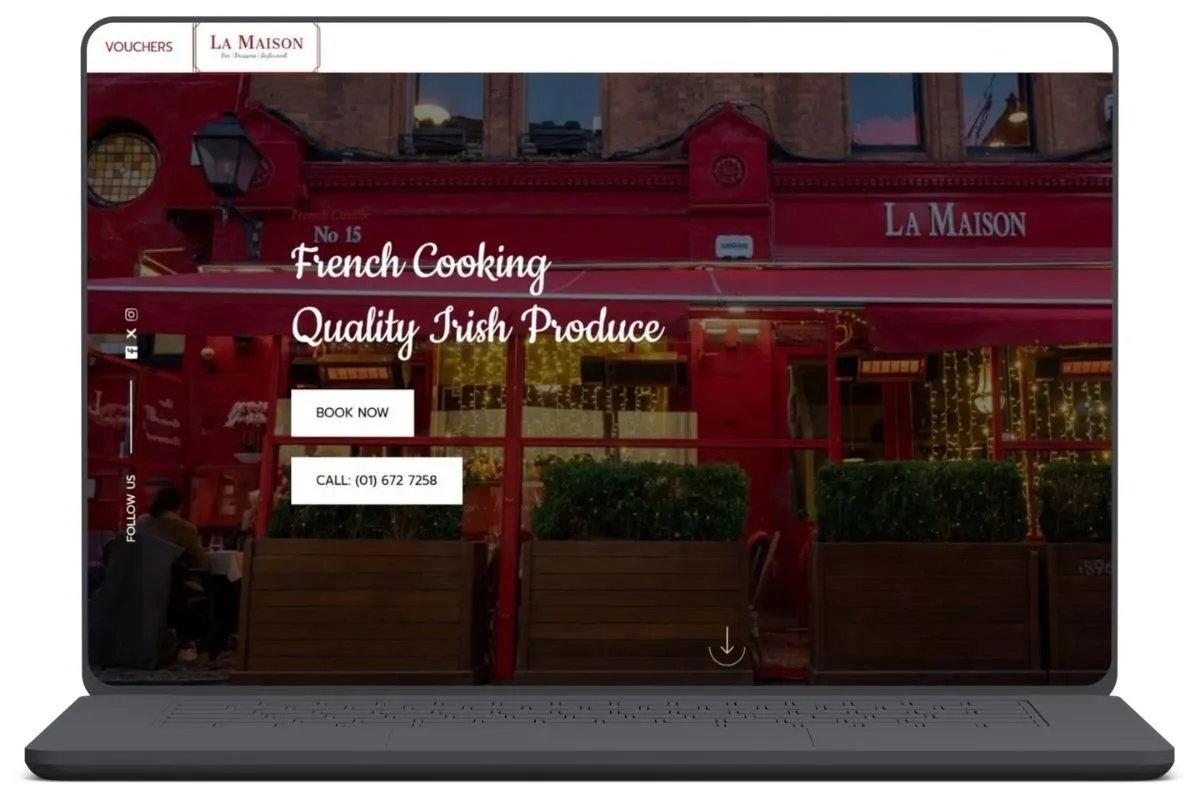
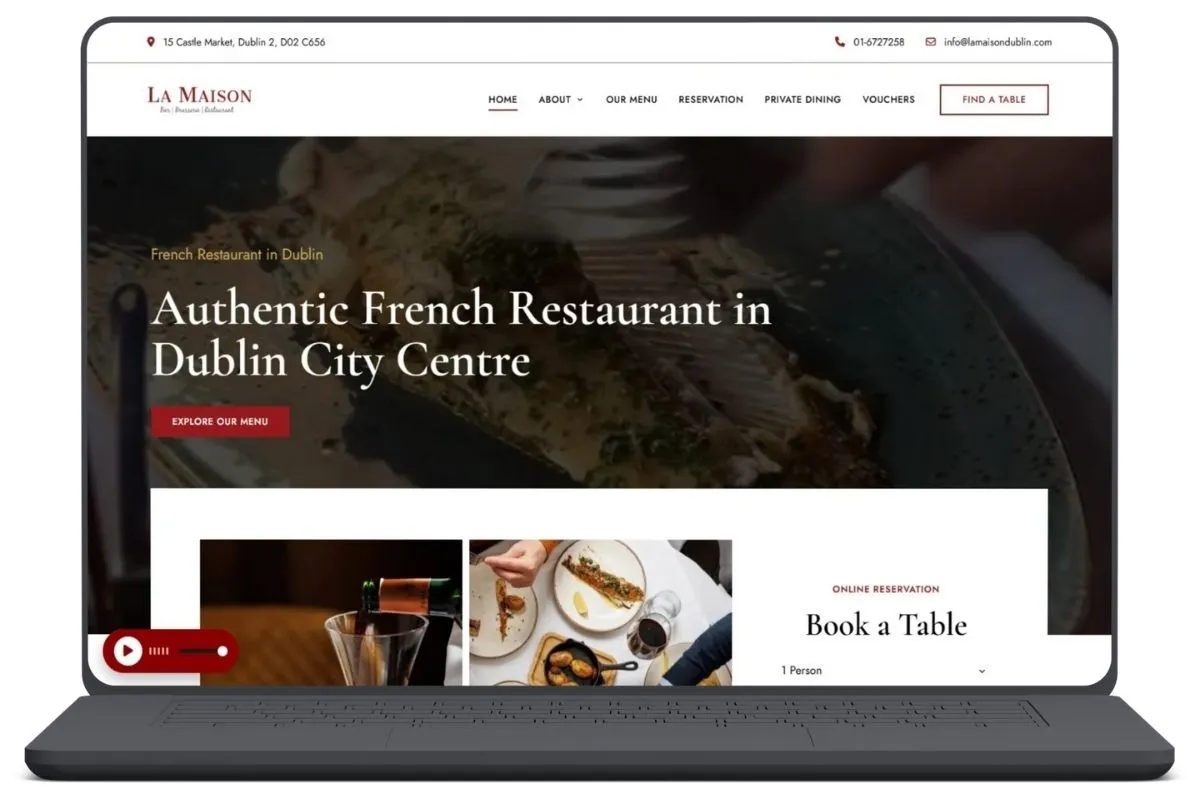
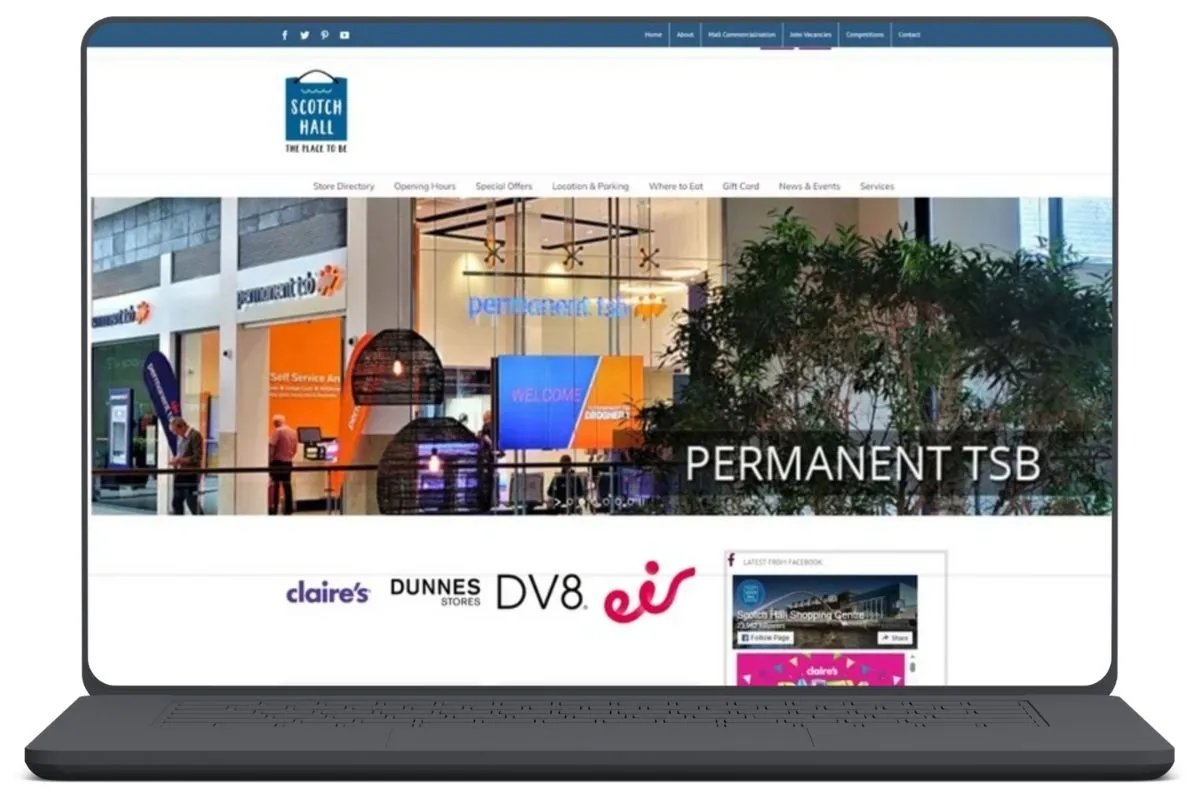
One of the best ways to explain redesign is to compare what came before with what replaced it. You can often see the improvement immediately: cleaner layouts, better spacing, stronger branding, clearer content hierarchy and a more polished customer journey.
This redesign shows how a hospitality website can feel more polished, more visual and easier for customers to trust before making a booking or enquiry.
This example shows how a redesign can help a business or destination feel clearer, more current and more useful for visitors looking for information.
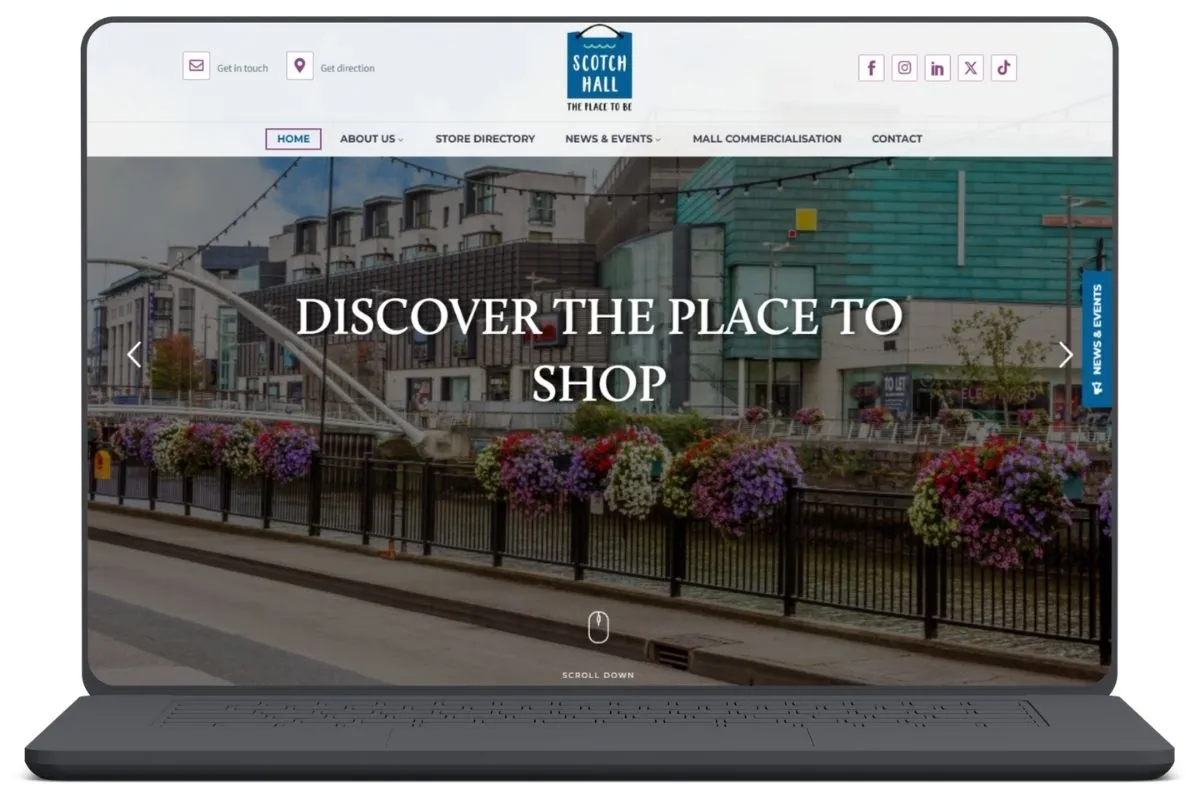
7 signs it’s time to redesign your website.
Not every website needs a full rebuild straight away. In some cases, a few updates and better ongoing support are enough. But when the issues are deeper and more structural, redesign becomes the smarter long-term decision.
If your website feels visually behind the times, that affects perception. Design trends do change, but more importantly, customer expectations change too. A site that felt modern years ago can now make the business look less current or less premium.
Mobile usability is no longer optional. If visitors need to pinch, zoom, scroll awkwardly or hunt for buttons, the site is creating friction at the worst possible moment.
If users cannot quickly understand where to click, what you offer or how to contact you, the structure is probably no longer serving the business well.
Traffic alone is not the full picture. If people are visiting but not converting, the problem may be weak messaging, unclear calls to action, poor page hierarchy or low trust.
Businesses grow. Services evolve. Positioning improves. If your website still reflects an older version of the business, a redesign can help reconnect your online presence with who you are now.
If every small change feels difficult, the site may be built on a structure that is no longer practical. That becomes a long-term limitation for marketing, content and growth.
Sometimes poor performance, weak structure and indexing issues point to a bigger architectural problem. Google’s own SEO guidance reinforces how important clear structure and usability are. In those cases, redesign is often more effective than endless patching.
Sometimes maintenance is enough. Sometimes it is not.
This is an important distinction. A business does not always need a complete rebuild. But it is equally important not to keep patching a website when the underlying structure is clearly no longer fit for purpose.
If the website is fundamentally sound, ongoing care can often solve the problem without a full redesign.
- The design still feels current enough
- The structure works reasonably well
- The site mainly needs updates, fixes and support
- Content improvements would solve most of the issues
If the issues are structural, visual and strategic, redesign is usually the better investment.
- The site looks clearly outdated
- Mobile experience is weak
- Navigation and page hierarchy are poor
- The website no longer reflects the business properly
A good website redesign should improve more than appearance.
The goal is not just to make the site look cleaner. It should also make the business easier to understand, easier to trust and easier to contact. That is why redesign works best when it combines design, structure, messaging and performance rather than treating them as separate issues.
If the website also needs stronger search foundations, a redesign is a good point to review structure alongside your wider SEO strategy. And if the site is part of a bigger brand refresh, our web design service can support the wider direction too.
Your main offer should be easier to understand within seconds of landing on the homepage or service page.
The site should feel easy and natural to use on phones, where a large share of traffic now starts.
Menus, internal links and page hierarchy should guide people logically instead of making them work things out alone.
Better design systems, cleaner builds and stronger content structure can all contribute to a more effective website overall.
Think your current website may be holding you back?
If your site feels dated, underperforms on mobile or no longer reflects the quality of your business, we can review it and tell you honestly whether it needs updates, ongoing care or a complete redesign.
Website redesign FAQs.
Common questions business owners ask when they are unsure whether their website needs a refresh or a full rebuild.
How do I know if I need a website redesign?
If your website looks outdated, performs poorly on mobile, feels hard to navigate, no longer reflects your brand or is not generating the level of enquiries it should, those are strong signs that a redesign may be the right next step.
How often should a business redesign its website?
There is no fixed rule, but many businesses review their website seriously every few years. The right timing depends on changes in design standards, business growth, mobile performance, customer expectations and how well the current website is still serving the business.
Is a redesign only about visual improvements?
No. A strong redesign should improve design, structure, clarity, usability and conversion potential. It should help people understand the business more easily and take action with less friction.
Can a redesign help with SEO?
Yes, if it improves structure, page hierarchy, internal linking, mobile usability and content clarity. A redesign alone does not replace SEO work, but it can create a much better foundation for it.
What is the difference between maintenance and redesign?
Maintenance helps keep a fundamentally solid website healthy, updated and supported. Redesign is the better option when the site has deeper issues with structure, usability, branding or overall effectiveness.
Should I redesign my website if it still technically works?
Sometimes yes. A website can still be live and functional but still underperform in terms of trust, mobile experience, clarity and conversion. The question is not only whether it works, but whether it works well enough for the business today.